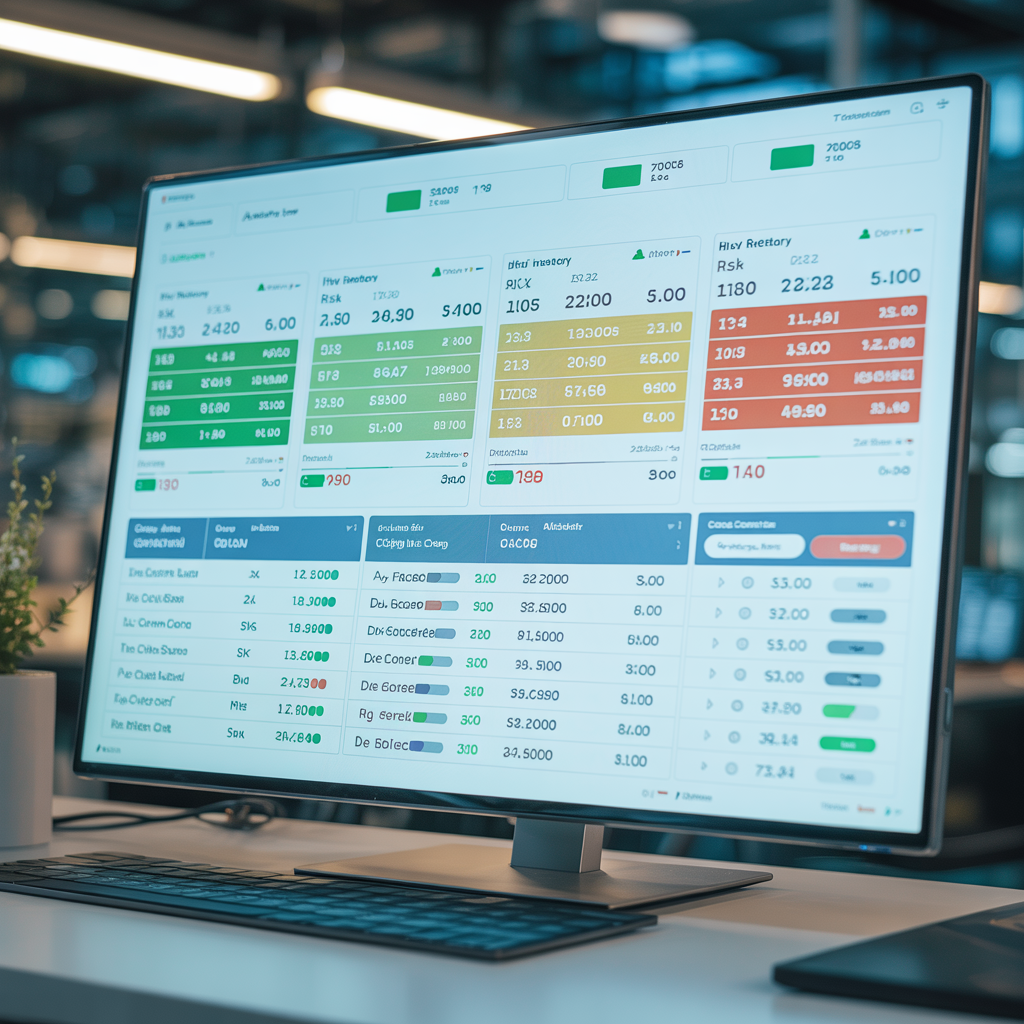
The Inventory Risk Scoring System
Predict Which Products Will Become Dead Stock—Before It Costs You Cash
Overview
This system gives you a simple but powerful way to score every product based on its risk level—so you can take action early instead of reacting too late.
Instead of waiting for inventory problems, you’ll predict them, rank them, and fix them before they damage your profit.
SECTION 1: The Core Concept — Inventory Risk
Every product sits somewhere on a spectrum:
👉 Fast Cash Generator → Slow Risk → Dead Stock
Your Goal:
- Increase low-risk inventory
- Reduce high-risk exposure
👉 This system tells you exactly where each SKU stands
SECTION 2: The 5 Risk Factors (Your Scoring Engine)
Each product is scored across these 5 dimensions:
-
Sales Velocity
- How fast is it selling?
Score:
- 5 = Fast (daily/consistent sales)
- 3 = Moderate
- 1 = Slow or inconsistent
-
Sell-Through Rate
- % of inventory sold
Score:
- 5 = 75%+
- 3 = 50–75%
- 1 = <50%
-
Inventory Age
- How long it’s been sitting
Score:
- 5 = <30 days
- 3 = 30–60 days
- 1 = 60+ days
-
Margin Buffer
- Profit margin available
Score:
- 5 = High margin (flexibility)
- 3 = Moderate
- 1 = Low margin (high risk)
-
Demand Consistency
- Predictability of sales
Score:
- 5 = Consistent
- 3 = Fluctuating
- 1 = Unpredictable
👉 Total possible score = 25
SECTION 3: The Inventory Risk Score
Formula:
👉 Risk Score = Sum of All 5 Factors
Fill-in Template:
- Product Name: __________
| Factor | Score |
| Velocity | _____ |
| Sell-Through | _____ |
| Age | _____ |
| Margin | _____ |
| Demand | _____ |
👉 Total Score: _____ / 25
SECTION 4: Risk Level Classification
20–25 = Low Risk (Scale)
- Strong performers
👉 Action:
- Reorder
- Increase visibility
- Allocate more budget
13–19 = Medium Risk (Monitor)
- Needs attention
👉 Action:
- Optimize pricing
- Improve merchandising
- Watch trends closely
5–12 = High Risk (Act Fast)
- Likely future problem
👉 Action:
- Bundle
- Discount strategically
- Reduce exposure
👉 This is your early warning system
SECTION 5: The Risk Heat Map
Visual Model:
| High Demand | Low Demand | |
| Fast Sales | Safe Zone | Watch Zone |
| Slow Sales | Risk Zone | Danger Zone |
👉 Focus on moving products OUT of the danger zone
SECTION 6: Weekly Risk Review System
Step 1: Score Top 20–50 SKUs
👉 Use the framework
Step 2: Identify High-Risk Items
👉 Score <13
Step 3: Take Action Immediately
- Discount
- Bundle
- Reposition
Step 4: Track Improvements
👉 Did score improve?
👉 Early action = saved profit
SECTION 7: Risk Reduction Strategies
For High-Risk Inventory:
- Run targeted promotions
- Bundle with fast movers
- Move to high-visibility areas
For Medium-Risk Inventory:
- Test pricing changes
- Improve product positioning
For Low-Risk Inventory:
- Increase stock levels
- Scale marketing
👉 Manage each category differently
SECTION 8: The “Inventory Exposure” Insight
Ask:
👉 “How much cash is tied up in high-risk products?”
Fill in:
- Total High-Risk Inventory Value: $__________
👉 This reveals your true financial risk
SECTION 9: Advanced Insight — The Early Warning Signals
Watch for:
- Declining velocity
- Increasing inventory age
- Falling sell-through
👉 These signals appear BEFORE problems explode
SECTION 10: Your Inventory Risk Action Plan
Step 1: Score Your Top SKUs
👉 __________
Step 2: Identify High-Risk Products
👉 __________
Step 3: Take Immediate Action
👉 __________
Step 4: Monitor Weekly
👉 __________
👉 Consistency prevents problems
Usage Tips / Advanced Applications
- Use weekly for tight control
- Apply per category for deeper insight
- Combine with forecasting + OTB
- Use before major buying decisions
Wrap-Up
Inventory problems don’t happen overnight—they build silently.
This system gives you the ability to see risk early, act quickly, and protect your cash before it’s too late.
Use this asset to instantly shortcut inventory guesswork, reduce dead stock, and operate with the precision of a data-driven retail operator.