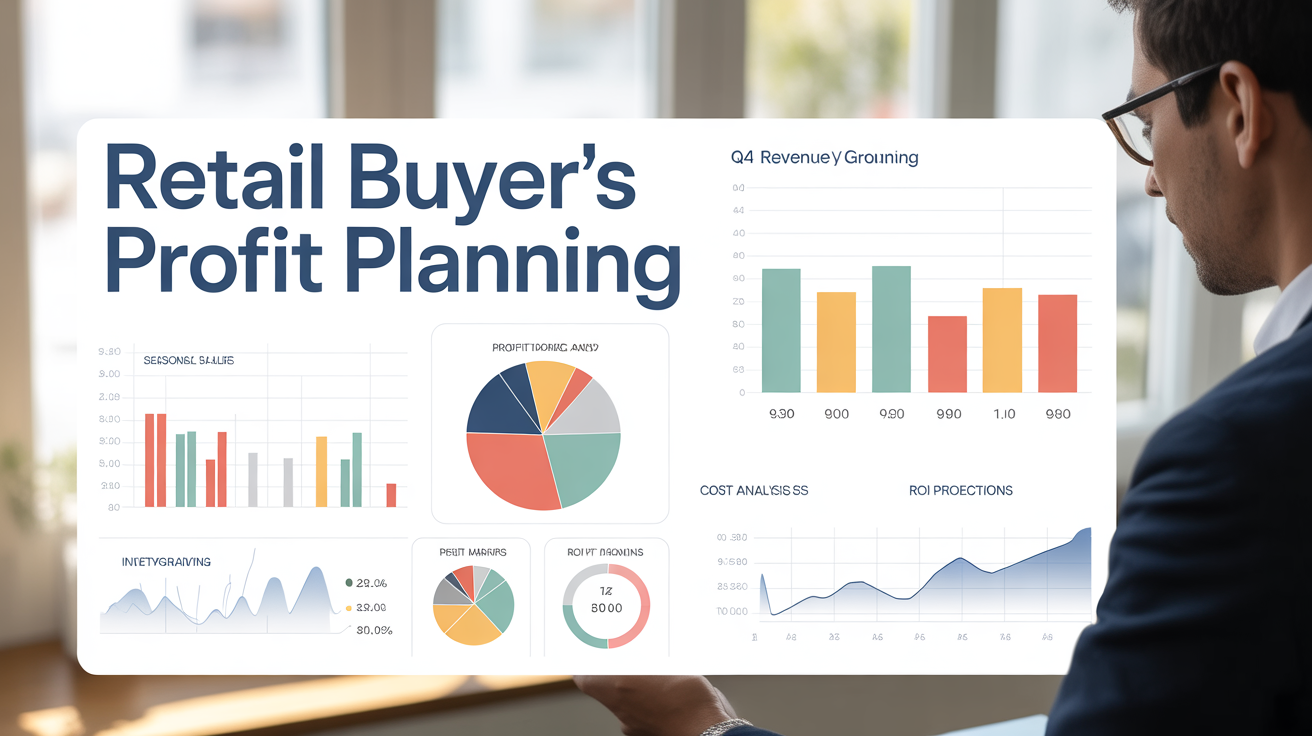
Retail Buyer’s Profit Planning Checklist
Buy Smarter, Protect Margins, and Eliminate Costly Inventory Mistakes
Overview
This is your pre-purchase decision system designed to ensure every buying decision directly supports profitability.
Instead of relying on gut instinct or trends, you’ll use this checklist to align product selection, pricing, inventory risk, and margin strategy before committing a single dollar.
SECTION 1: The Pre-Buy Profit Filter (Run First Every Time)
Before placing ANY order, answer these:
-
Demand Validation
- Has this product (or similar) sold well before?
- Is there clear customer demand?
👉 If NO → proceed cautiously (small test only)
-
Margin Check
- Cost: $__________
- Planned Selling Price: $__________
- Expected Margin %: __________
👉 Target: 50–70% margin (varies by niche)
-
Pricing Power Test
- Can this product sustain its price without heavy discounting?
👉 If not → future markdown risk
-
Inventory Risk Assessment
- What happens if this doesn’t sell?
- How easy is it to liquidate?
👉 Always plan the exit BEFORE entry
SECTION 2: The Smart Buying Framework
Step 1: Categorize the Product
- Core Replenishment Item (proven seller)
- Trend/Test Item (uncertain demand)
- Seasonal Product (time-sensitive)
👉 Each category requires a different buying strategy.
Step 2: Allocate Budget Strategically
- 60–70% → Proven winners
- 20–30% → Growth opportunities
- 5–10% → New tests
👉 This reduces risk while allowing growth.
SECTION 3: Quantity Decision Template
Fill-in-the-Blank:
- Expected Monthly Sales: __________ units
- Lead Time: __________ days
- Safety Stock: __________ units
👉 Recommended Order Quantity = __________
Rule:
- Never overcommit on unproven products
- Always reorder based on performance—not assumptions
SECTION 4: Vendor & Cost Optimization Checklist
Before Confirming Order:
- Can I negotiate better pricing?
- Are there bulk discounts?
- What are the payment terms?
- Are there hidden costs (shipping, duties, fees)?
👉 Small cost improvements = big margin gains
SECTION 5: The “Future Markdown Risk” Scanner
Ask:
- Is this trend likely to fade quickly?
- Is this product highly seasonal?
- Is the market already saturated?
👉 If YES → reduce order size
SECTION 6: Assortment Balance Check
Ensure You Have:
- Best sellers fully stocked
- Variety without overcomplication
- Clear product hierarchy (entry, mid, premium)
👉 Avoid SKU overload—it kills velocity
SECTION 7: The Post-Buy Tracking System
After purchase, track:
- Sell-through rate
- Margin achieved
- Inventory aging
- Customer feedback
Reflection Questions:
- Did this meet expectations?
- Would I reorder?
- What would I change next time?
👉 Every buy should improve the next one
SECTION 8: The “Top 20% Rule”
👉 80% of your profit comes from 20% of your products
Action:
- Identify top performers
- Allocate more budget to them
- Reduce focus on low performers
👉 Scale what works
SECTION 9: Final Pre-Purchase Checklist
Before placing the order, confirm:
- ✔ Demand is validated
- ✔ Margin meets target
- ✔ Pricing is sustainable
- ✔ Quantity is calculated (not guessed)
- ✔ Risk is understood
- ✔ Vendor terms are optimized
👉 If any box is unchecked → pause and reassess
Usage Tips / Advanced Applications
- Use before every buying decision
- Apply per category or vendor
- Combine with OTB planning for full control
- Use during trade shows or bulk purchasing
Wrap-Up
Retail success isn’t just about selling—it’s about buying correctly in the first place.
This checklist ensures every purchase is strategic, profitable, and aligned with your business goals.
Use this asset to instantly shortcut costly buying mistakes, improve inventory decisions, and operate like a disciplined, profit-focused retail buyer.